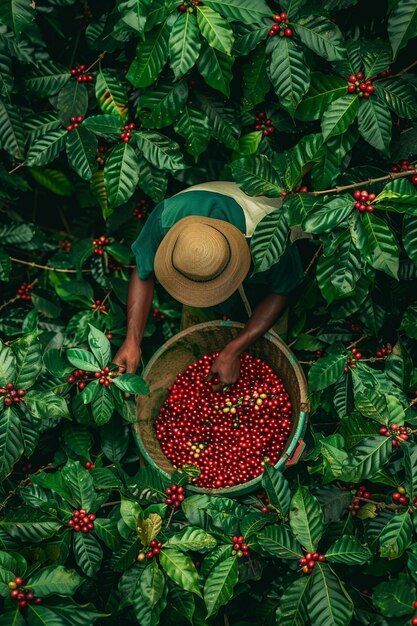
Vietnamese coffee isn’t just something you drink to wake up. It’s part of daily life. You’ll see people sitting on small plastic stools, slowly sipping their coffee while talking, working, or just watching the street go by. It’s not rushed. It’s not grab-and-go. It’s an experience.
1. Robusta: Strong and Proud
Most Western cafés focus on arabica beans. Vietnam does things differently. It grows mostly robusta — a bean that’s stronger, more bitter, and higher in caffeine.
That bold flavor is what gives Vietnamese coffee its punch. It’s not subtle. It’s not delicate. It’s intense and unapologetic — and that’s exactly the point.
2. The Phin Filter: Slow by Design
Traditional Vietnamese coffee is brewed using a small metal filter called a phin. You place it on top of your cup, pour hot water in, and then… you wait.
The coffee drips slowly. No machines. No pressure. Just gravity doing its job. The result is a rich, concentrated brew that feels heavier and deeper than most drip coffee.
The waiting is part of the ritual. It forces you to slow down for a moment.
3. Condensed Milk: The Perfect Balance
One of the most popular drinks, cà phê sữa đá, mixes strong black coffee with sweet condensed milk and ice. The milk smooths out the bitterness without overpowering it.
The combination is simple but powerful — strong, sweet, and refreshing at the same time.
4. New Twists, Same Roots
Vietnamese coffee keeps evolving. Drinks like egg coffee (cà phê trứng) or coconut coffee (cà phê dừa) add creamy textures and new flavors, but they still start with that same bold base.
Even with modern variations, the heart of Vietnamese coffee hasn’t changed: strong beans, slow brewing, and time taken to enjoy it.